Automating processes in mid-sized companies: where to start?
Automation doesn’t have to be big to be effective. Here’s how to find the right processes, remove media breaks and start sensibly – without tool chaos.

Key takeaways
- Good automation candidates are recurring, rule-based tasks with clear inputs and outputs.
- The biggest time sinks are often media breaks – data transferred manually from one system to the next.
- Not every optimization needs new software; often better connections and standards are enough.
- Start small, measure, expand – instead of many parallel projects without priority.
By Jack Savelsberg · March 4, 2026 · Updated May 18, 2026
Automation sounds like big projects and expensive software to many mid-sized companies. In practice, though, the biggest levers often lie in small, recurring tasks that quietly cost time every day.
This post shows which processes are suitable, where to best start and how to avoid tool chaos.
Which processes are suitable for automation
Best suited are tasks that are recurring, rule-based and well describable: transferring data from A to B, sending standard emails, generating documents, pre-qualifying appointments or inquiries.
The clearer the input and the desired result, the easier and more reliably a process can be automated – with or without AI support.
From media break to data flow
The most common hidden cost factor is media breaks: information is manually copied from one tool and entered into another. That costs time, creates errors and frustrates.
Often this needs no new software but a clean connection between the existing systems plus clear standards on who maintains which data where.
Start small, expand measurably
Instead of a big digitalization project, it’s smarter to pick a concrete process, automate it, measure the result and derive the next steps from that.
This creates an order by effort and value – and quick wins that build trust in the team for further automation.
SEO check
How good is your website really?
Run the free SEO check: enter your domain and see in 30 seconds where your site stands on technology, content and performance.
Start the free SEO checkFrequently asked questions.
Direct answers to the questions most often asked about this topic.
Services that fit this topic.
If this topic is relevant to you, these services help concretely.
From practice.
Projects that provide concrete proof for this topic.
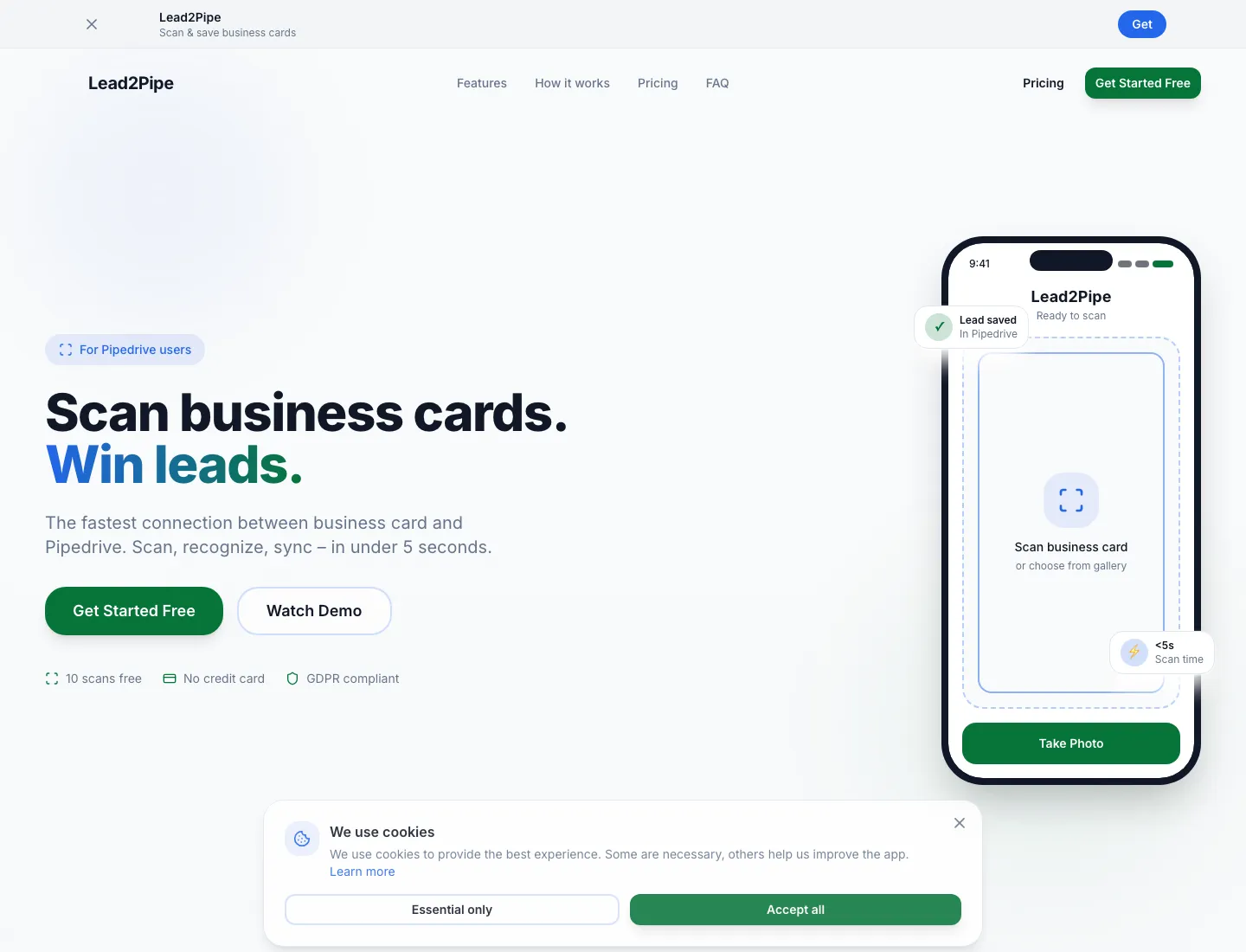
Lead2Pipe
A native iOS app, built with Swift, that scans business cards, recognizes them via OCR and quickly syncs new leads into Pipedrive CRM.
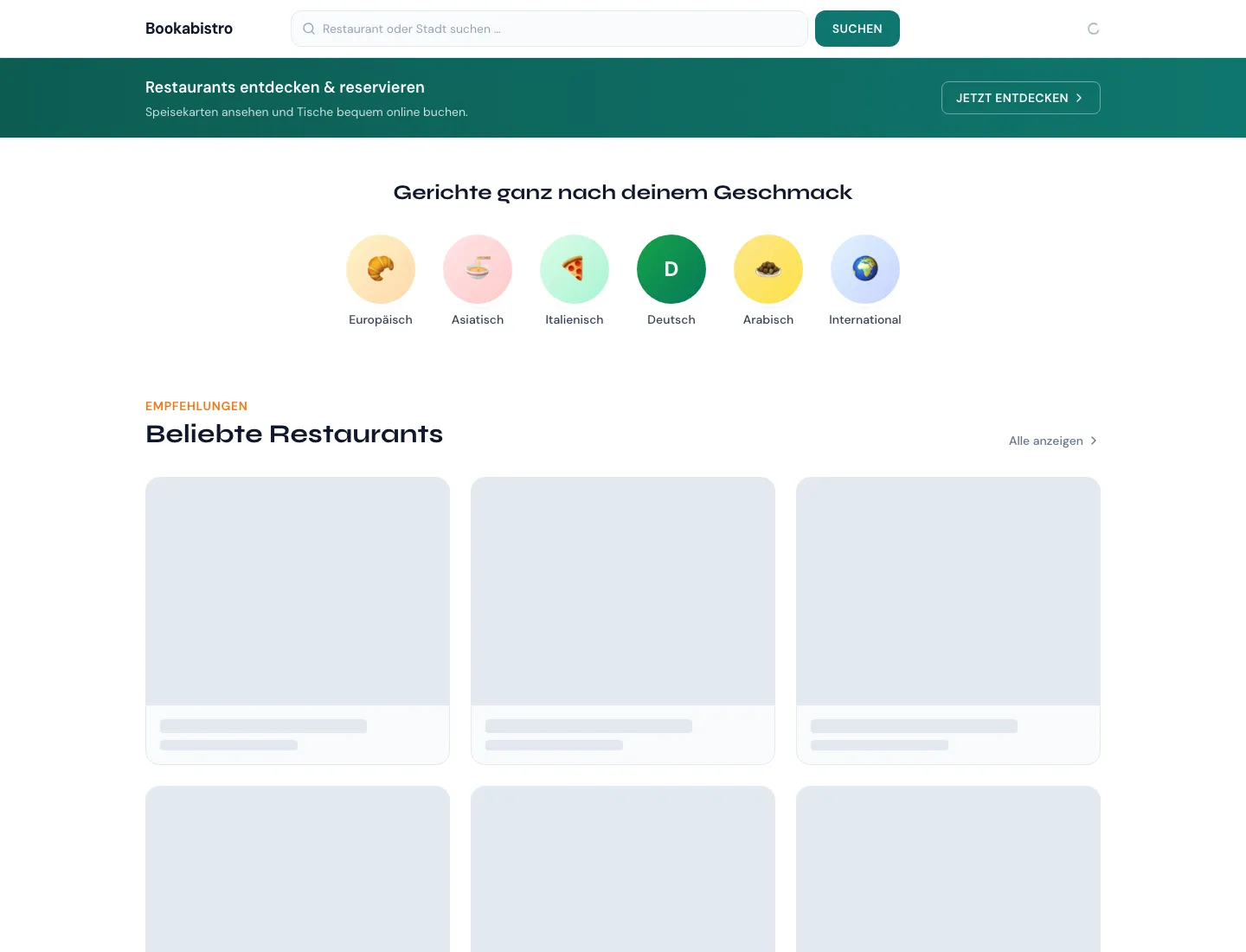
Book a Bistro
A platform where guests discover restaurants, view menus and reserve tables, while hospitality businesses manage content and bookings in a dashboard.
You might also be interested in.

What does a professional website cost? Prices, factors and realistic examples
What a website really costs depends on scope, content, features and SEO. Here are the price factors, realistic ranges and when which investment pays off.

Local SEO in Berlin: how service providers and trades reach No.1
Local SEO decides whether a business in Berlin gets found. Here’s how ranking for location-based search terms works – including a real example with a No.1 result.

Using AI sensibly in your company: use cases, automation and data protection
AI isn’t worth it because it’s new but when it makes concrete work easier. Here’s how to find sensible use cases, automate processes and keep data protection in view.
A question about your project?
Tell me briefly what you’re working on. I’ll get back to you with a sensible next step.