Using AI sensibly in your company: use cases, automation and data protection
AI isn’t worth it because it’s new but when it makes concrete work easier. Here’s how to find sensible use cases, automate processes and keep data protection in view.

Key takeaways
- Successful AI starts with real tasks, not the tool: where is time tied up by recurring work?
- Good first use cases are research, text drafts, internal knowledge search, offer preparation and partly automated case handling.
- AI needs clear inputs, boundaries and quality assurance – it doesn’t replace human decisions but relieves them.
- Data protection belongs in from the start: which data may be processed, with which tools, in which location?
By Jack Savelsberg · April 9, 2026 · Updated May 28, 2026
Many companies sense that AI is becoming relevant but don’t know where to sensibly start. Some test tools, others are skeptical – and a mix of hype and loose experiments without measurable value quickly emerges.
This post shows how to find real use cases, automate processes pragmatically and keep data protection and quality in view.
How to find sensible AI use cases
The starting point isn’t “Which tool do we take?” but “Which task regularly ties up time and is recurring enough to support?”. Good candidates are research, text drafts, preparing data, internal knowledge search or preparing offers.
Use cases are then prioritized by value, effort, risk and data situation. That creates an order instead of a wish list – and a first step small enough to test but clean enough to expand.
Automation without losing control
AI should relieve sub-processes, not take them over blindly. Partial automation has proven itself: AI creates a draft or a pre-selection, the human reviews and decides. That lowers effort without losing quality or responsibility.
Where standard tools don’t fit existing workflows, a custom application with an AI layer can make sense – for example an interface that models a concrete workflow instead of a generic chat window.
Building in data protection from the start
Before AI is let loose on company data, three questions should be clear: which data may be processed at all, with which provider, and where is it stored? For sensitive data there are solutions with clear boundaries and, where needed, local or European processing.
Data protection isn’t a brake here but part of a clean setup – and creates the trust that makes AI usable in everyday work in the first place.
SEO check
How good is your website really?
Run the free SEO check: enter your domain and see in 30 seconds where your site stands on technology, content and performance.
Start the free SEO checkFrequently asked questions.
Direct answers to the questions most often asked about this topic.
Services that fit this topic.
If this topic is relevant to you, these services help concretely.
From practice.
Projects that provide concrete proof for this topic.
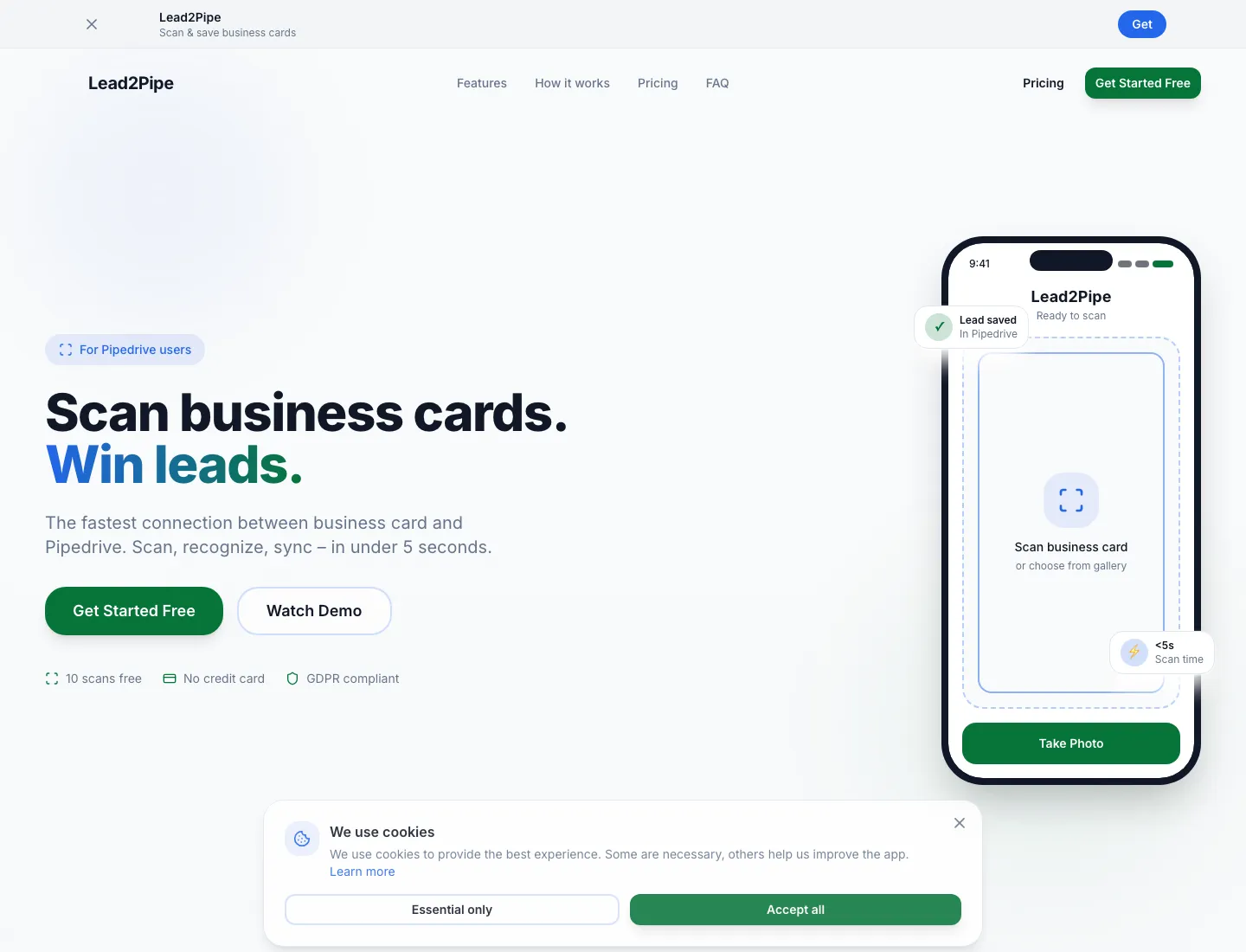
Lead2Pipe
A native iOS app, built with Swift, that scans business cards, recognizes them via OCR and quickly syncs new leads into Pipedrive CRM.
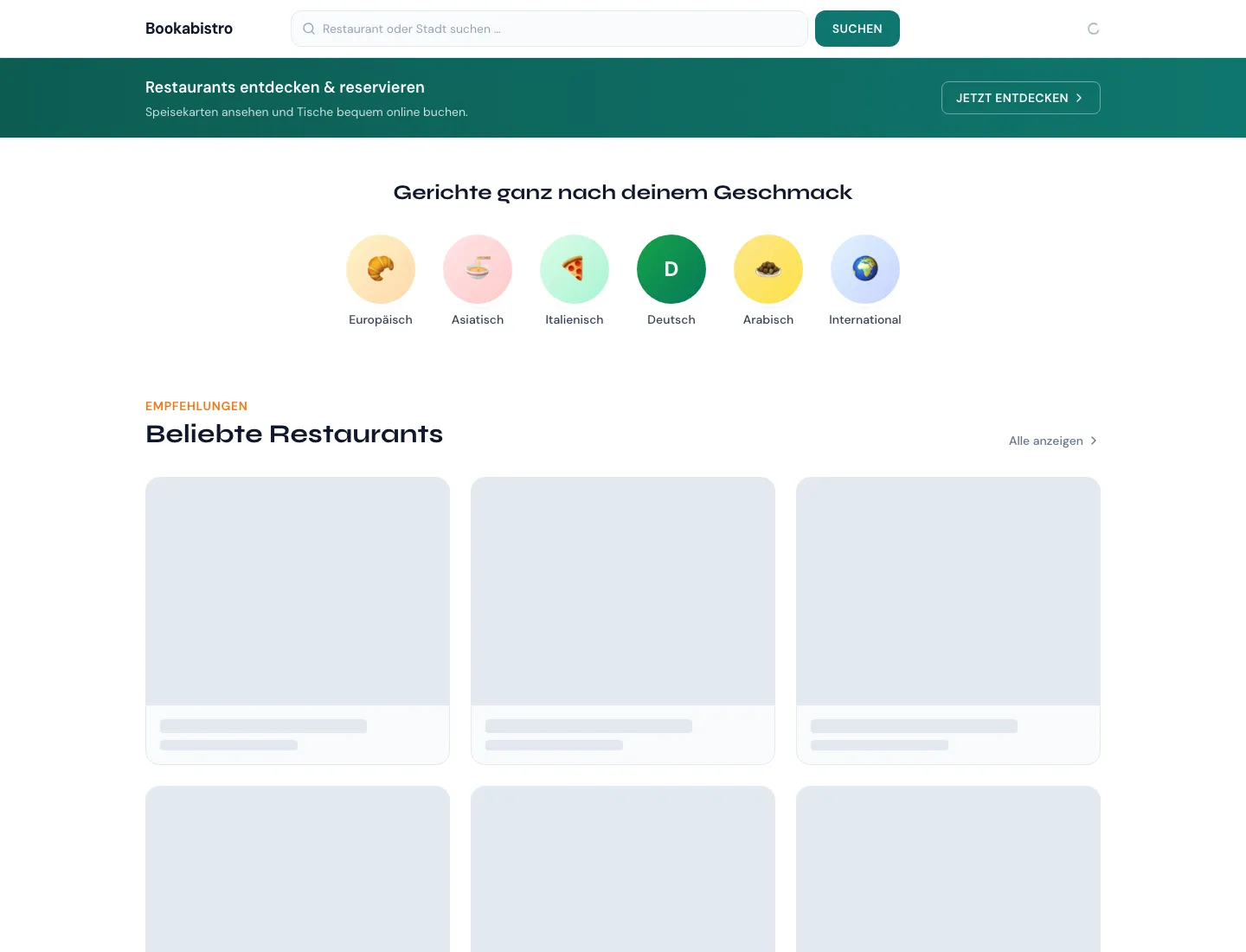
Book a Bistro
A platform where guests discover restaurants, view menus and reserve tables, while hospitality businesses manage content and bookings in a dashboard.
You might also be interested in.

What does a professional website cost? Prices, factors and realistic examples
What a website really costs depends on scope, content, features and SEO. Here are the price factors, realistic ranges and when which investment pays off.

Local SEO in Berlin: how service providers and trades reach No.1
Local SEO decides whether a business in Berlin gets found. Here’s how ranking for location-based search terms works – including a real example with a No.1 result.

SEO or SEA: when is each worth it – and when both?
SEO brings lasting visibility, SEA delivers instantly. Here’s the honest comparison – including when which combination is really worth it.
A question about your project?
Tell me briefly what you’re working on. I’ll get back to you with a sensible next step.